

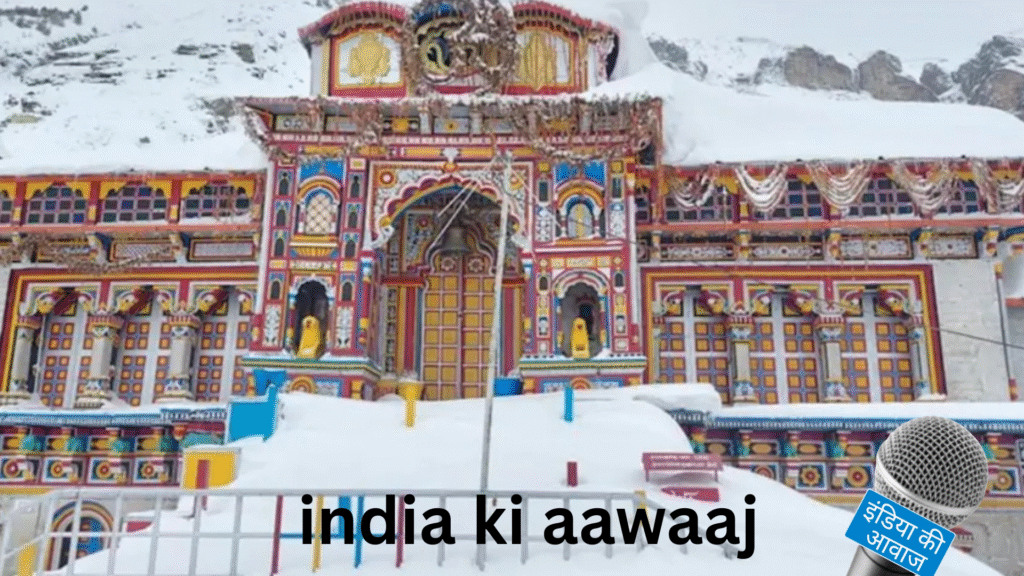
The doors of Badrinath Dham in Uttarakhand are closed for the winter season—a temporary halt to pilgrimage.
The doors of Badrinath Dham, the main Char Dham shrine nestled in the Himalayas, have been formally closed with the onset of winter. As every year, this year, due to the heavy snowfall and harsh weather conditions that accompanied the arrival of winter, pilgrims have been temporarily barred from visiting the shrine. This decision was taken keeping in mind the safety of devotees, to avoid potential dangers posed by snow, landslides, and extreme cold.
A Confluence of Mythology and Tradition
Badrinath Dham is not only a center of religious faith but also a living symbol of Indian culture and traditions. It is believed that during winter, when the Dham is covered in snow, the deities themselves reside here, and a specific system of divine worship is followed within the temple. The closing of the doors is not a simple administrative decision, but a festival-like event, accompanied by Vedic chanting, grand aartis, and traditional rituals.
With the closing of the doors, the festive palanquin of Lord Badri Vishal departs for the winter seat. This moment, central to the emotions of the priests and devotees, further deepens their faith. The resounding sound of drums and cymbals amid chants of praise and aartis echoing through the snow-covered valleys creates a transcendental atmosphere.
A Necessary Decision for Safety
During winter, temperatures in the Badrinath region drop well below freezing. Snow on the mountain roads disrupts traffic. There is also the threat of avalanches. Continuing the pilgrimage is not only risky but also complicates rescue operations. This joint decision by the administration and the temple committee aims to ensure the safety of pilgrims as well as the local community.
Although the closure of the doors temporarily halts pilgrimage, this pause is not permanent. With the arrival of spring after winter, the doors are reopened with great reverence and joy. This cycle has been going on for years, and this regularity further enhances the sanctity of Badrinath Dham.
Impact on Local Life and Economy
The closure of the doors directly impacts local business, hoteliers, and transportation services. The decrease in pilgrims limits income sources, but locals have embraced this tradition. During winter, many residents migrate to lower areas or take up alternative employment.
However, the administration is planning to promote winter tourism, such as Auli skiing, cultural tours to Mana village, and controlled tourism to enjoy the snow-capped landscape. This could balance year-round tourism and support the local economy.
Message for Devotees
The closure of the doors only means a break in physical darshan, not faith. Devotees can remember Lord Badri Vishal through devotion and meditation even from home. The temple committee also often provides facilities like online darshan and aarti arrangements, allowing devotees to stay connected to their faith.
Additionally, pilgrims are urged to follow official announcements and weather warnings. Do not enter the area without permission or warning and respect the instructions of the local administration. Along with the beauty of the mountains, their sensitivity is equally important.
Message from the Himalayas
The closing of the doors of Badrinath Dham sends us a message of harmony with nature. It reminds us that humans must respect nature’s limits. When the Himalayas cover their arms with snow, it conveys not just cold but peace—stop for a moment, contemplate, and pay homage to the power of nature.
Conclusion
The closing of the doors of Badrinath Dham symbolizes not just the end of faith, but a pause—a pause necessary for respect for nature and human safety. This tradition teaches us that devotion is manifested not only in the journey, but also in patience and faith. The coming spring will once again open the gates, ring the bells again, and “Jai Badri Vishal” will echo through the Himalayan valleys. Until then, this sacred pause will keep the lamp of faith burning brighter.