

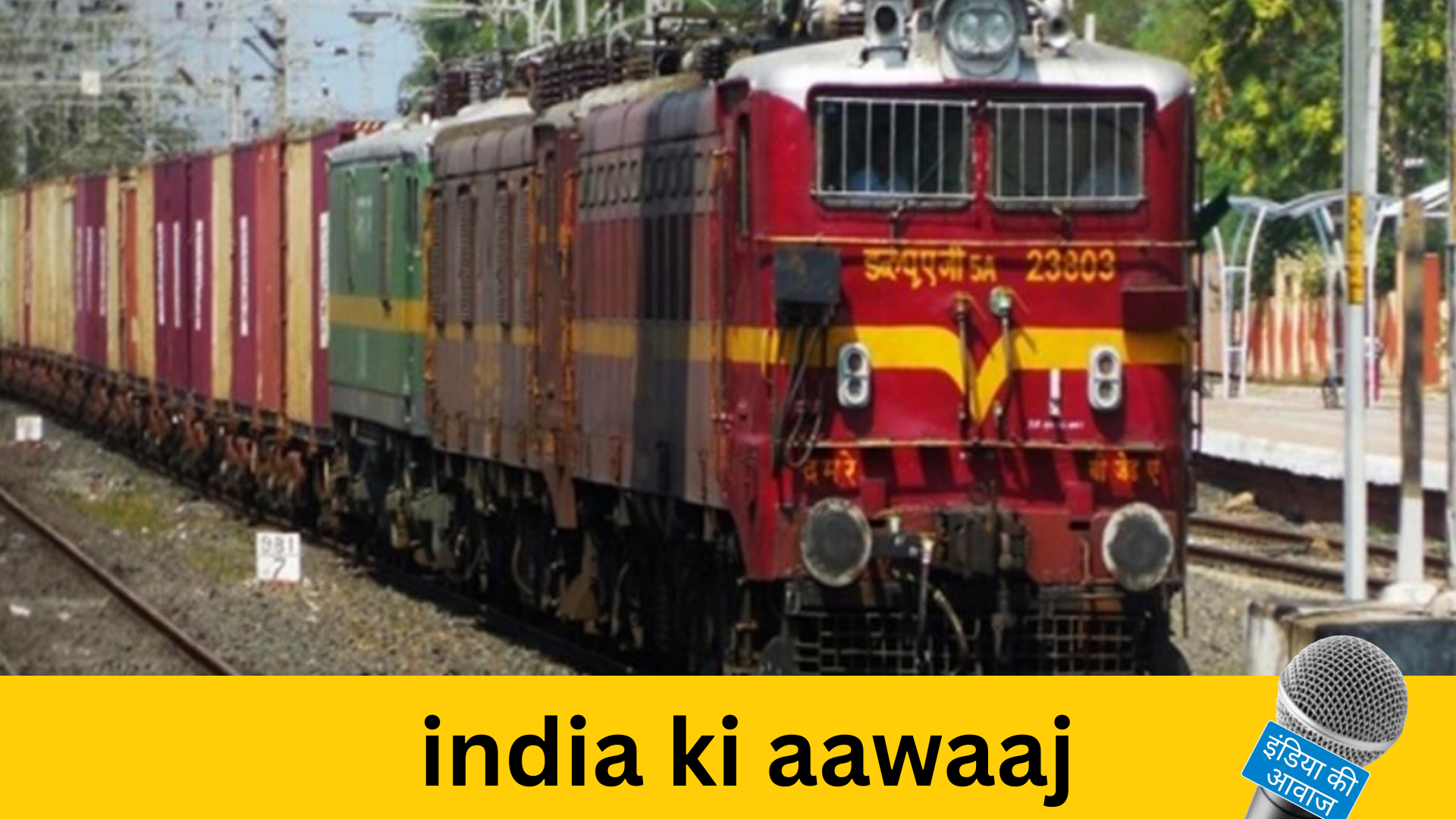
Indian Railways Freight Milestone 2025-26: Indian Railways Sets Historic Record—Crossing 1 Billion Tonnes of Freight for the First Time
The financial year 2025-26 marks a golden chapter in the history of Indian Railways. For the first time, the Railways has set a new record by loading more than 1 billion tons of freight. This achievement not only demonstrates the efficiency of the Indian transportation system but also points to economic growth, industrial expansion, and revolutionary changes in the logistics sector.
Background to Historic Success
Indian Railways is one of the largest rail networks in the world. For years, it has served as the lifeline of the country. Railways have always played a vital role in transporting essential goods such as coal, cement, iron and steel, grains, petroleum products, and fertilizers. Crossing 10^9 tons of freight loading for the first time in FY 2025-26 demonstrates the Railways’ radical improvement in its capacity, efficiency, and service quality.
Key Reasons for This Success
- Infrastructure Modernization
Over the past few years, Indian Railways has invested heavily in its infrastructure. Dedicated Freight Corridors (DFCs), modern signaling systems, automated point systems, and faster freight trains have significantly reduced transit times.
- Private Sector Participation
The Public-Private Partnership (PPP) model has given freight transportation a new dimension. Private companies have been encouraged to develop terminals, warehousing, and multi-modal logistics.
- Special Freight Schemes
Railways have played a major role in reducing logistics costs and improving delivery times through programs such as the “Gati Shakti Yojana” and the “National Rail Plan 2030.”
- Digitalization and Technological Improvements
E-tracking systems, digital booking platforms, and real-time monitoring have made freight transportation more transparent, secure, and faster.
Impact on the National Economy
More than 1 billion tons of freight transport means industries are receiving raw materials on time and products are reaching markets faster. This has led to:
Increased industrial production
Reduced logistics costs
Increased export potential
New employment opportunities
Positive contribution to GDP
These benefits have been realized.
A boon for the environment
Rail transport is more environmentally friendly than road transport. Transporting 1 billion tons of freight by rail has:
Reduced carbon emissions
Reduced diesel consumption
Controlled air pollution
Reduced fuel import burden
These positive results have been realized.
Direct benefits to states and industries
This record has been reflected in every sector, from coal mines to ports. Specifically:
Chhattisgarh, Jharkhand, Odisha—coal and mineral sectors
Maharashtra and Gujarat—industrial hubs
Punjab, Haryana, and Madhya Pradesh—transportation of agricultural products
Coastal states—connectivity to ports
Rail freight has given a new impetus to economic activity in these areas.
Balance between Passenger and Freight Traffic
Railways have reduced pressure on passenger trains by creating dedicated corridors for freight trains. This has also resulted in more punctual and safe service for passengers. This balance is a major administrative achievement of Indian Railways.
Future Direction
This achievement in FY 2025-26 lays the foundation for the future. Railways’ targets in the coming years:
1.5 billion tons of freight
Green energy-powered freight trains
Building more DFCs
Establishing smart logistics hubs
Creating railway stations into multi-modal transport hubs
Challenges are also not limited
While the success is historic, some challenges still remain:
Upgrading the old track network
Delays in land acquisition
Continuous need for investment
Lack of skilled human resources
These will need to be addressed.
Conclusion
Indian Railways crossing the 1 billion ton freight mark in FY 2025-26 is a milestone in the country’s economic history. This is not only a testament to the potential of Railways but also a strong step towards Aatmanirbhar Bharat. This achievement shows that when the policy is clear, the technology is modern and the goal is big – then India can turn any challenge into an opportunity.