

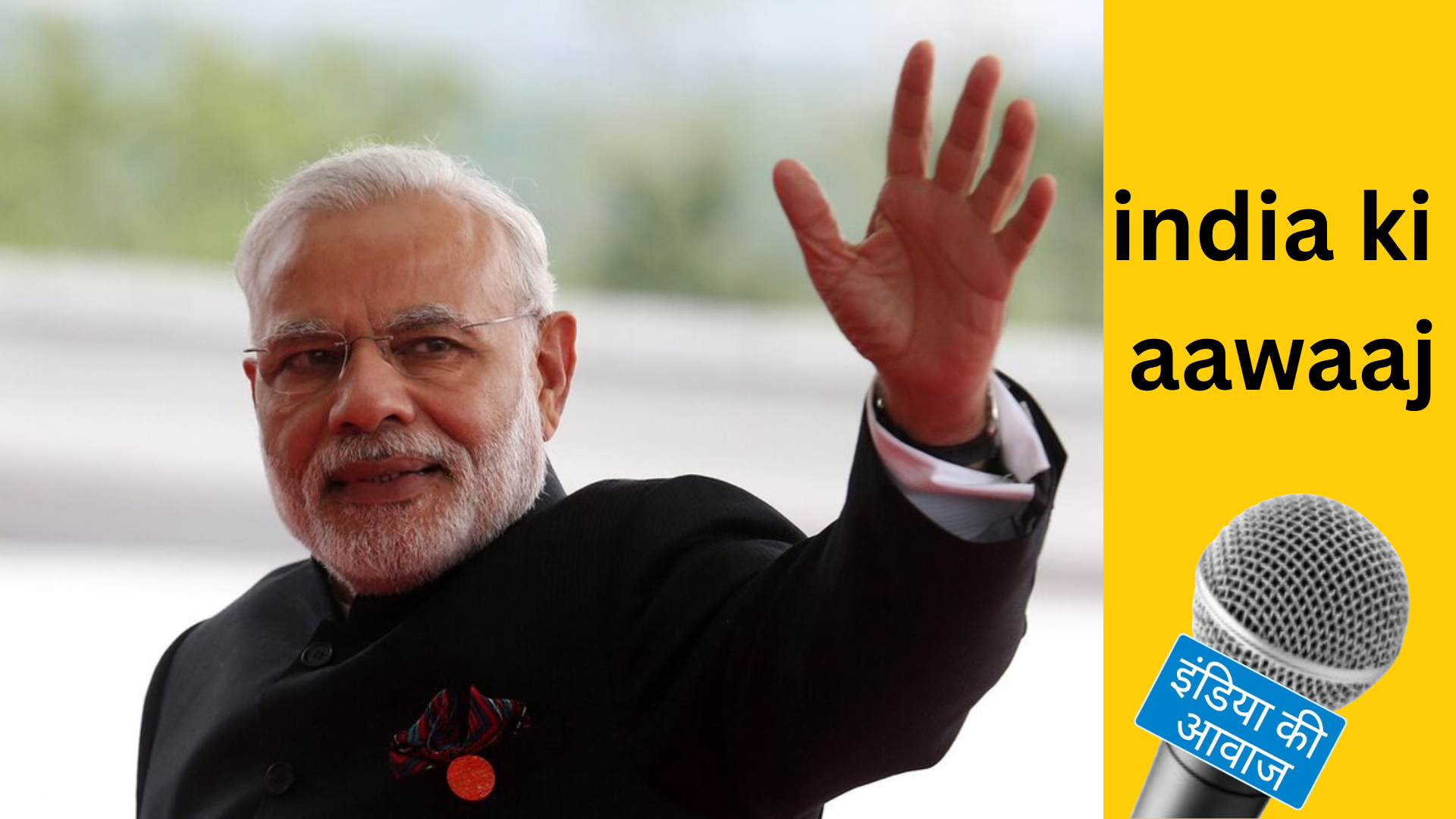
Narendra Modi’s Karnataka-Goa Tour Begins: November 28, 2025
Today, November 28, 2025, Prime Minister Narendra Modi is on his Karnataka-Goa tour. This tour is comprised of religious-cultural events and religious-historical aspects.
Itinerary—November 28, 2025
Around 11:30 AM: The Prime Minister will visit the Sri Krishna Matha in Udupi, Karnataka. There, he will participate in the Laksha Kantha Gita Parayana—a special event in which approximately 100,000 people (students, monks, scholars, and other citizens) will chant the Bhagavad Gita in unison.
Furthermore, he will inaugurate the new Suvarna Teertha Mantapa in front of the Matha; and also dedicate the “Kanaka Kavacha” (a symbol of the sacred window) (Kanakana Kindi)—the very window through which the devotee saint Kanakadasa had a vision of Lord Krishna.
Noon/Approximately 3:15 pm: The Prime Minister will arrive at Shree Samsthan Gokarn Partagali Jeevottam Math, Partagali (Canacona), in southern Goa, where the 550th-anniversary celebrations (Sardha Panchashatamanotsava) are being held.
The events here include the unveiling of a 77-foot-tall bronze statue of Lord Shri Ram; the inauguration of the Ramayana Theme Park Garden; and the release of a special postal stamp and commemorative coin. The Prime Minister will also address the gathering.
Why this visit is significant
This visit is a major gesture towards religio-cultural and spiritual heritage—a national recognition of ancient religious institutions like the over 800-year-old Shrikrishna Math and the 550-year-old Partagali Math.
Initiatives like the mass Gita recitation (Laksha Kantha Gita Parayana) demonstrate an effort to promote “communal harmony, religious devotion, and Indian culture.”
Initiatives like the 77-foot statue of Shri Ram and the Ramayana theme park in Goa can provide a platform for religious tourism, cultural tourism, and local development.
Potential Social, Cultural, and Political Impact
Religious festivals and events, especially those that engage a broad audience, strengthen social cohesion and cultural identity—such events are valued by the central government as “religio-cultural heritage.”
Realizing the potential of religious tourism in a state like Goa can contribute to the local economy, tourism, religious tourism, and social stability.
In the future, the impact of such visits and events will also be seen politically—where the government’s cultural sensitivity, social programs, and religious-popular initiatives will be gauged by public response.
Grand Religious Events and a 77-Foot Shri Ram Statue in Goa
After visiting Karnataka, the Prime Minister arrived in Goa, where he is participating in the 550th anniversary celebrations at the Shri Gokaran Partagali Jeevottama Math (Canacona).
Here, the Prime Minister:
Unveiled a 77-foot-tall statue of Lord Shri Ram
Inaugurated a Ramayana Theme Garden
Released a commemorative postage stamp and a commemorative coin
The Prime Minister said:
“Lord Ram is a living symbol of faith as well as the discipline, service, and dignity of Indian culture.”
The Goa government claims that this project will give a new identity to the state’s religious tourism.
Emphasis on Tourism and Blue Economy
In Goa, the Prime Minister also spoke about the blue economy. He said:
Modern port facilities for fishermen
Marine tourism
Coastal conservation
are priorities for the government.
This visit lays the foundation for developing Goa as an international religious-tourism hub.
Reactions and Debate: Support, as well as Questions
The Prime Minister’s visit has received mixed reactions across the country.
✅ Voices of Support
Many religious organizations described it as an “attempt to establish Indian culture on the global stage.”
Those involved in the tourism industry say this will give a new impetus to religious tourism.
A section of youth has linked programs like Gita recitation to “mental strength and self-development.”
❓ Questions and Criticism
Meanwhile, the opposition and some social organizations have raised questions:
Is the government focusing too much on religious events, while diverting attention from issues like education and inflation?
Is the use of government resources on religious programs appropriate?
Is this tour more political than cultural?
Experts say:
“When the boundaries between religion and politics blur, the definition of public communication changes.”
However, the government has clarified that this visit is part of “culture preservation and tourism development.”
Security and Administration
For the Prime Minister’s security in both states:
SPG commandos
Drone surveillance
Traffic diversion
Medical teams have been deployed. The administration is on full alert.
Economy and Local Impact
Experts believe that:
Tourism will increase
Local employment will increase
Hotels, taxis, shops, and the handicraft industry will benefit
This visit could prove to be an economic booster for small traders and local businesses.
Conclusion
Prime Minister Narendra Modi’s Karnataka-Goa tour is a confluence of politics, religion, culture, and development. Some are calling it a spiritual renaissance, while others are calling it a political strategy.
But there is no doubt that this visit has drawn the nation’s attention to South Indian culture and Goa’s religious identity.
If the government focuses on religious tourism as well as education, employment, and inflation,